Manufacturing, operational AI, and revenue-focused developments
1. Micron Taiwan unions keep strike preparations alive over 15% profit-sharing demand
Summary
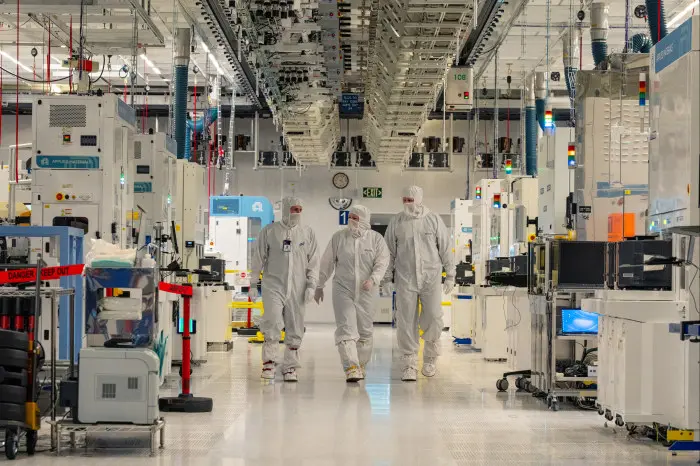
Unions representing more than 80% of Micron’s approximately 15,000 Taiwan employees are pressing for a permanent profit-sharing program equal to 15% of global operating profit. They want concrete proposals by September 18 and 21 and are continuing strike preparations. Micron’s Taiwan operation is its largest manufacturing facility and produces DRAM and high-bandwidth memory used in AI servers.
Why It Matters.
The AI boom depends on specialized people as much as advanced equipment. A stoppage at a concentrated memory hub could tighten already constrained HBM supply, disrupt server schedules, and turn a compensation dispute into a global capacity problem. The conflict also forces manufacturers to confront how productivity gains and exceptional profits are shared with the workforce needed to sustain them.
Useful Action
Build a Workforce-to-Capacity Risk Map connecting critical skills, cross-training, labor scenarios, throughput, customer commitments, and revenue at risk.
Direct source: Reuters, September 15, 2026
2. Universal Robots launches an AI-ready cobot platform at IMTS
Summary
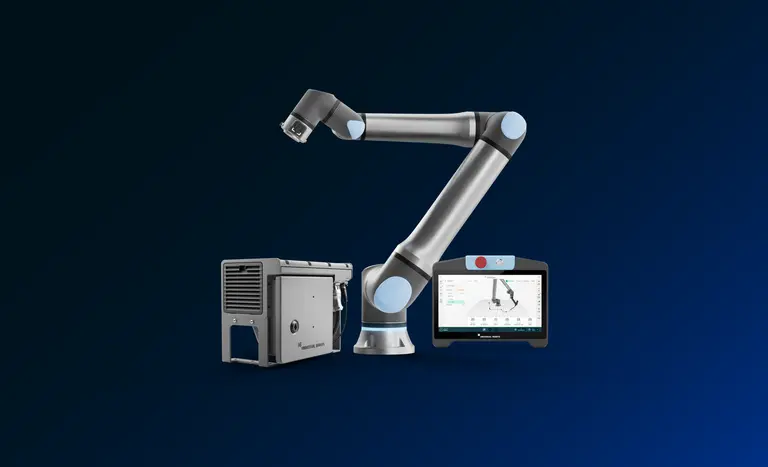
Universal Robots introduced its Gen 7 platform at IMTS with three g-Series cobots, an integrated tool flange for cameras and sensors, plant-ready networking, and software designed for physical-AI applications. The company says the platform draws on more than 100,000 robot deployments and is intended to reduce components, cabling, and deployment risk.
Why It Matters.
The competitive question is shifting from robot specifications to integration speed. Manufacturers gain value only when robots, vision, PLCs, safety systems, MES, ERP, and people operate as one governed workflow. Open APIs and stronger connectivity can shorten deployment, but they also make cybersecurity, change control, and measurable production outcomes essential.
Useful Action
Create a Factory Automation Integration Map showing how a cobot connects through vision, controls, MES/ERP, and B.O.S.S. to a specific throughput, quality, or labor result.
Direct source: Universal Robots, September 15, 2026
3. China’s factory output accelerates while consumer demand nearly stalls
Summary
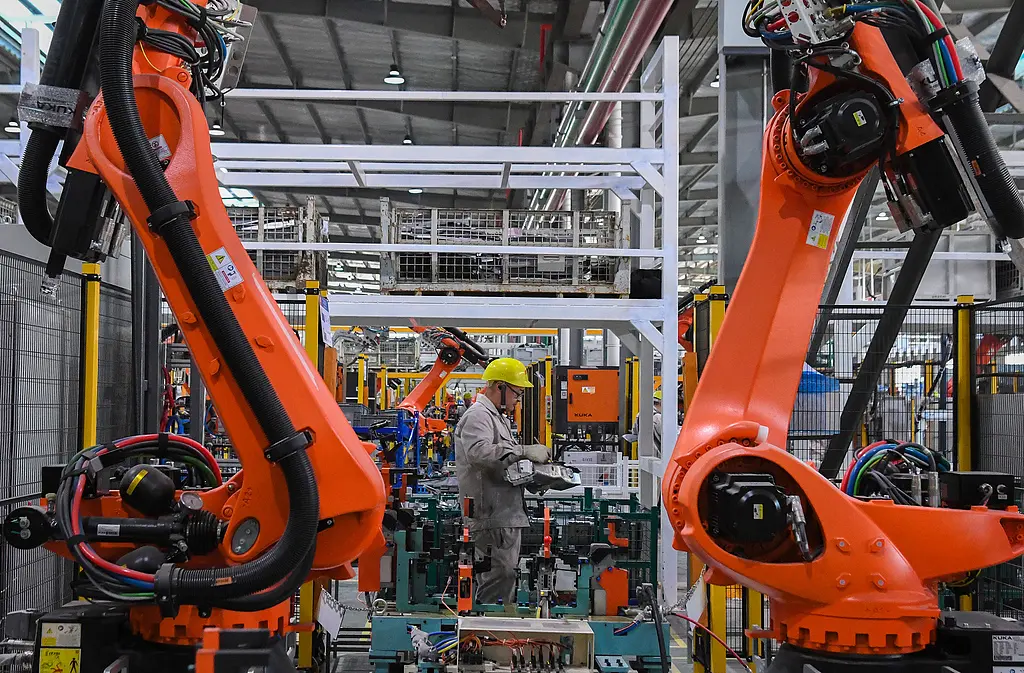
China’s industrial output rose 5.2% year over year in August, beating expectations and accelerating from July. Production of lithium-ion batteries and industrial robots was strong, but retail sales grew only 0.4%, fixed-asset investment fell 7.2% in the first eight months, and property investment dropped 19.9%.
Why It Matters.
A manufacturing engine that outpaces domestic consumption can push more capacity toward export markets. That raises price pressure, trade friction, and the risk of overcapacity in sectors central to electrification and automation. U.S. manufacturers cannot rely on tariffs alone; they need faster quoting, differentiated service, disciplined margins, and productivity improvements that are visible in operational data.
Useful Action
Offer a Competitive Pressure-to-Margin Assessment comparing import pricing, tariff exposure, quote floors, capacity, service differentiation, and automation levers.
Direct source: Reuters, September 15, 2026
4. Toyota’s reported China restructuring signals the joint-venture model is under pressure

Summary
A reported plan for GAC to acquire part of FAW’s stake in FAW Toyota points to a broader restructuring of foreign automakers’ China operations. Toyota and other global brands are facing overcapacity, shrinking margins, dealership pressure, and intense competition from BYD, Geely, Chery, and other local electric-vehicle makers.
Why It Matters.
Consolidating factories, dealers, and duplicated systems may improve cost and execution, but it cannot by itself restore product relevance in a software- and battery-driven market. The shake-up illustrates how a once-successful operating model can become a drag when customer demand, technology, and regulation change faster than the organization.
Useful Action
Package a Post-Merger Process Integration Assessment covering duplicated systems, production networks, dealers, inventory, workforce, customer data, and time to revenue.
Direct source: Reuters, September 15, 2026
5. Axelera AI turns European chip design wins into a potential $1.5 billion pipeline

Summary
Dutch startup Axelera AI launched its second-generation Europa inference chip and announced supply agreements tied to European AI-factory projects. The chips will appear in Dell and Supermicro products. Axelera says it serves more than 600 customers, has signed deals worth tens of millions of dollars, and sees potential sales of up to $1.5 billion.
Why It Matters.
AI competition is moving toward inference cost, power efficiency, and technology sovereignty—not only frontier model training. Major OEM integrations can accelerate adoption, but a potential pipeline is not booked revenue. Qualification, manufacturing capacity, software support, customer deployment, and repeatable delivery determine whether design wins become cash.
Useful Action
Use B.O.S.S. to demonstrate an AI Productization Revenue Gate connecting design wins, qualification, OEM integration, capacity, support, adoption, shipment, and invoicing.