Five current developments shaping production capacity, industrial resilience, supply chains, and artificial intelligence – October 11, 2026.
1. Raytheon wins up to $6.3 billion to produce and sustain SM-3 interceptors

Summary: RTX’s Raytheon received a U.S. contract worth up to $6.3 billion to produce and sustain Standard Missile-3 Block IB interceptors. Most work will be performed in Tucson, Arizona, and Huntsville, Alabama, as the Pentagon works to rebuild missile-defense inventories.
Why It Matters. A multiyear award gives suppliers clearer demand visibility, but the contract’s ceiling is not the same as funded revenue. Congressional appropriations, release orders, qualified capacity, and supply-chain throughput will determine how quickly the award becomes delivered hardware.
Impact on Manufacturing. Missile production depends on long-lead electronics, propulsion, specialty materials, test equipment, and tightly controlled quality records. Expanding output without increasing defects or lead-time variability requires synchronized supplier qualification, capital equipment, skilled labor, configuration control, and acceptance testing.
Direct source: Reuters, October 8, 2026
2. EU designates 46 more critical-mineral projects seeking €21.1 billion
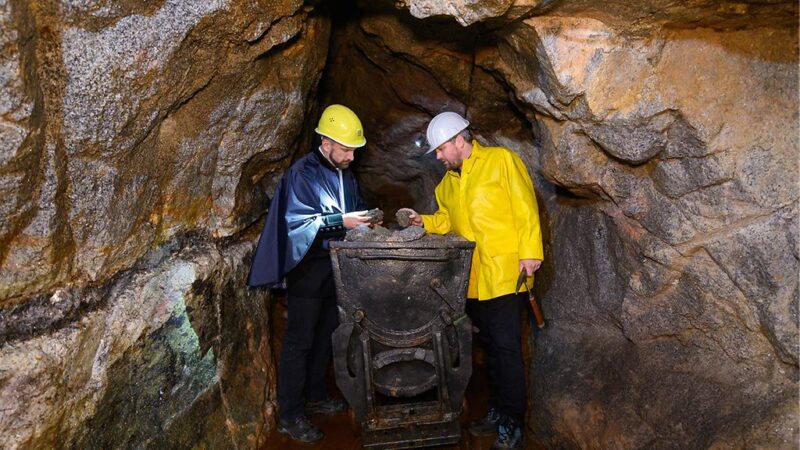
Summary: The European Commission selected 46 new strategic raw-material projects across 16 EU countries for priority permitting and financing support. The projects cover 15 of the EU’s 17 strategic materials and collectively seek about €21.1 billion in investment.
Why It Matters. Europe is trying to reduce exposure to concentrated Chinese supply while meeting 2030 targets for domestic extraction, processing, and recycling. Strategic designation can shorten administrative paths and improve access to capital, but it does not guarantee financing or production.
Impact on Manufacturing. New mines and processing assets can improve long-term availability of lithium, copper, nickel, and rare earths, but manufacturers must plan around multi-year permitting, commissioning, qualification, and ramp risk. Traceability, alternate-material strategies, and realistic capacity dates remain essential.
Direct source: Reuters, October 9, 2026
3. Drone attacks shut down a third major Yandex data center in days

Summary: Yandex said a drone attack shut its Vladimir-region data center, the third major disruption to its facilities in several days. An earlier strike disabled its Sasovo hub, which houses two of the company’s three AI supercomputers, while another attack affected a Kaluga facility.
Why It Matters. AI infrastructure has become both an economic asset and a physical target. Concentrating critical models and compute in a small number of facilities creates geographic and operational single points of failure, especially during conflict.
Impact on Manufacturing. Manufacturers relying on cloud or remote AI for scheduling, inspection, maintenance, or supply-chain decisions need defined degraded modes. Local controls, buffered data, failover capacity, recovery testing, and clear human authority can prevent an AI-service outage from stopping production.
Direct source: Reuters, October 11, 2026
4. World Bank discusses crisis support as diesel and fertilizer costs rise
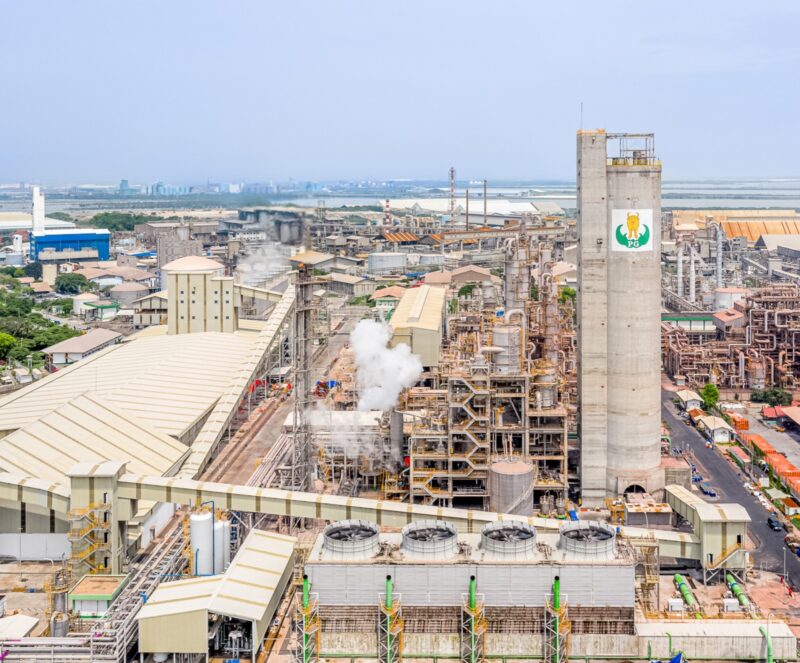
Summary: World Bank President Ajay Banga said the institution is in talks with 30 to 40 countries about crisis assistance as energy and food-input pressures increase. The Bank has a $25 billion crisis window and could expand available support to as much as $100 billion if conditions warrant.
Why It Matters. Higher diesel and fertilizer prices transmit quickly through agriculture, transport, food processing, and consumer inflation. Heavy debt burdens reduce governments’ room to absorb shocks, increasing the risk of delayed infrastructure projects, weaker demand, and policy intervention.
Impact on Manufacturing. Energy-intensive and logistics-heavy producers face simultaneous pressure on conversion cost, inbound materials, freight, and customer affordability. Plants should stress-test margins and service levels against fuel volatility, supplier disruption, and working-capital needs rather than treating energy as a fixed overhead.
Direct source: Reuters, October 11, 2026
5. Nvidia weighs a deeper investment in or acquisition of Reflection AI

Summary: Nvidia is in talks to increase its investment in or acquire open-source AI startup Reflection AI, the Financial Times reported. The discussions would extend Nvidia’s position beyond accelerators and infrastructure into another layer of the AI software market.
Why It Matters. A major chip supplier moving closer to model and software ownership could accelerate integrated offerings while increasing concentration risk. Open-source positioning also matters to enterprises seeking greater control, portability, and customization than closed platforms provide.
Impact on Manufacturing. Manufacturers should separate model choice from plant workflows, permissions, and operational data. Architectures that preserve portability and auditability reduce switching costs and protect production systems when vendors, licensing terms, or model road maps change.