1. HPE plans a $75 million Wisconsin expansion for AI hardware
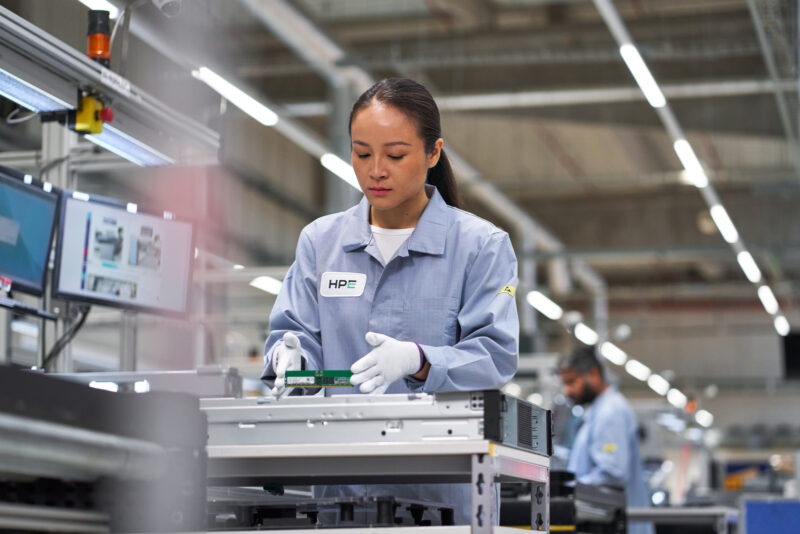
HPE manufacturing careers image; illustrative, not a verified Chippewa Falls view
HPE plans to invest $75 million over five years in Chippewa Falls, expanding manufacturing, testing and warehousing for AI and high-performance computing. Wisconsin’s October 15 announcement projects 75 new high-skill jobs and up to $5.1 million in additional performance-based tax credits.
Why It Matters.
AI demand creates opportunities beyond chips: equipment assembly, qualification, logistics and technical skills also need investment. Performance-based incentives link public support to delivery, while the five-year horizon underscores that industrial capability takes time to build.
Impact on Manufacturing.
More assembly space alone cannot guarantee higher shipments. Test capacity, component availability and warehouse accuracy must advance together. In complex computing hardware, configuration records and test results are part of production readiness, not administrative paperwork added after the build.
Source: Wisconsin Governor’s Office – October 15, 2026
2. Seven Scout suppliers commit more than $82 million to South Carolina
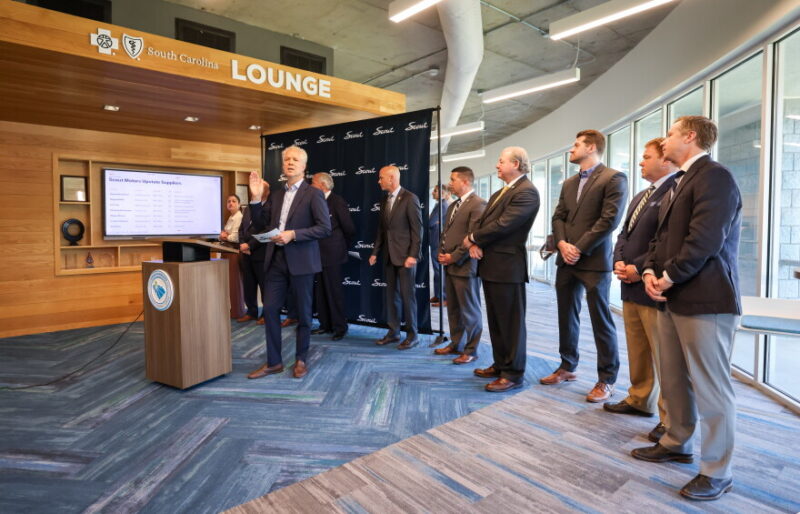
Scout supplier announcement, October 14, 2026 — Sam Wolfe / Scout Motors, via SC Public Radio
Seven automotive suppliers announced more than $82 million in expansions across South Carolina’s Upstate on October 14, with 200 new jobs planned. Their components will support Scout Motors’ Blythewood vehicle production center. The commitments span stamping, mirrors, sealing systems, brake lines and other parts.
Why It Matters.
A new vehicle program spreads investment across a supplier network rather than a single assembly site. Local sourcing can improve coordination, but regional proximity does not eliminate launch, workforce or qualification risk.
Impact on Manufacturing.
The production challenge is synchronized readiness: approved components, consistent specifications and reliable delivery windows across independent companies. A missing low-cost part can interrupt assembly just as surely as a delayed major module. Supplier status needs to reflect evidence of readiness, not only installed equipment.
Source: South Carolina Public Radio – October 14, 2026
3. Hesai launches a camera-to-simulation platform for robot training
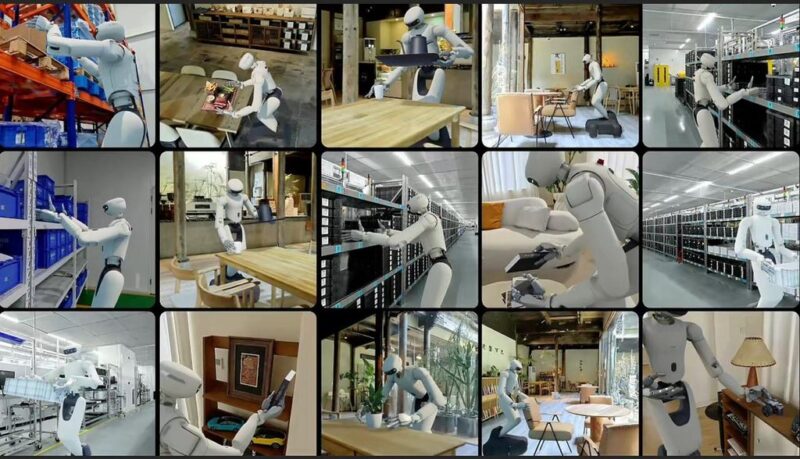
Kosmo robot-training platform illustration — Hesai; vendor-provided graphic
Hesai launched Kosmo on October 14, pairing its Kosmo One spatial camera with a cloud platform that converts real environments into 3D training assets. The company says it supports robot simulation tools including NVIDIA Isaac Sim. Its speed and performance claims are vendor-reported, not general factory benchmarks.
Why It Matters.
Physical AI depends on representative environments as well as models and robot hardware. Easier scene capture could reduce preparation work, but generated or reconstructed scenes can still omit conditions important to reliable operation.
Impact on Manufacturing.
For manufacturers, a simulation is useful only if it represents the workcell’s actual constraints, variation and hazards. Reflective materials, changing bins and unexpected objects can alter performance. Faster environment creation should support validation; it does not replace acceptance testing on the real process.
Source: Hesai – October 14, 2026
4. Alcoa links a potential $315 million site sale to data-center milestones

Alcoa smelter interior — AP via Manufacturing.net; archival illustration, not the proposed data center
Alcoa’s October 15 results disclosed agreements to sell portions of its Massena East, New York site, with potential proceeds up to $315 million. Closing remains conditional. Approximately $50 million to $65 million is expected at closing; further payments depend on approved capacity and commissioning over subsequent years.
Why It Matters.
The transaction shows how former industrial property can gain value from digital-infrastructure demand. The headline maximum is contingent value, not cash already received. Permits, construction conditions and the timing of commissioned capacity determine the outcome.
Impact on Manufacturing.
Manufacturers evaluating unused property need to separate land value from operating utility, environmental obligations and future production options. Redevelopment can release capital, but conditional proceeds and long timelines require different planning assumptions from an immediate, fully funded asset sale.
Source: Alcoa – October 15, 2026
5. Freight forecast warns of record parcel costs during holiday shipping

Illustrative UPS delivery vehicle — Store norske leksikon; archival image
Supply Chain Dive reported October 16 that the TD Cowen/AFS Freight Index forecasts record ground and express parcel costs in the fourth quarter. The underlying October 13 release projects ground parcel pricing 43.3% above its January 2018 baseline, driven by seasonal fees, fuel surcharges and capacity pressure.
Why It Matters.
A lower diesel price does not necessarily translate into an equivalent invoice reduction. Surcharge structures and negotiated discounts affect what shippers actually pay, making headline transport rates an incomplete guide to costs.
Impact on Manufacturing.
Small industrial shipments, service parts and expedited replacements can lose margin through accessorial fees. Production reliability and freight economics intersect: late internal releases can force expensive delivery upgrades. Measuring shipment-level costs alongside delivery performance exposes the true cost of keeping customer promises.
Source: Supply Chain Dive; TD Cowen/AFS index – October 16, 2026