Manufacturing, artificial intelligence, and business growth — September 29, 2026.
1. GM cuts planned Chevrolet Bolt production by roughly 75%
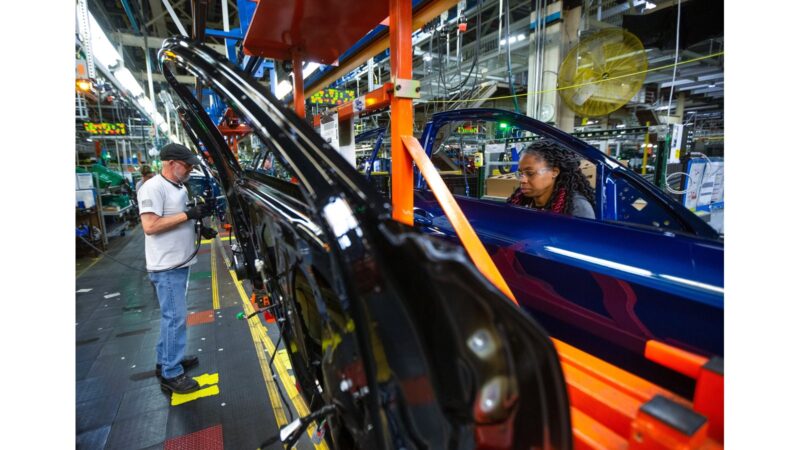
Summary: GM’s Kansas City-area plant is on pace to build about 35,000 Chevrolet Bolts before production ends in early 2027, down from an earlier expectation of roughly 150,000, according to a union official. Nearly 1,000 employees remain on indefinite layoff, while GM prepares the plant for two gasoline-powered SUVs.
Why It Matters. This is a demand, policy, product-mix, and workforce problem arriving at the same factory. The withdrawal of federal EV support weakened demand after GM had already committed equipment and labor. Moving Equinox and Envision production into the plant may restore utilization, but every product transfer introduces tooling, supplier, training, quality, and scheduling risk.
Useful Action: Offer a Demand-to-Capacity Reset that links policy scenarios, orders, product mix, equipment conversion, workforce recall, supplier readiness, and revenue milestones in B.O.S.S.
Direct source: Reuters, September 29, 2026
2. A planned $15 billion Iowa steel mill targets 7.5 million tons annually

Summary: Mesabi Metallics plans a vertically integrated Iowa steel mill supplied by its Minnesota iron-ore operation. The first phase is expected to produce 7.5 million tons annually, create at least 1,750 permanent jobs, and begin steel production in 2030.
Why It Matters. The announcement links tariffs, industrial policy, national security, electoral politics, and domestic supply-chain ambitions. Its scale creates supplier opportunities, but planned capacity is not bankable output. Financing, permitting, power, water, equipment, workforce, customers, and global overcapacity must align over several years.
Useful Action: Create a Project-to-Production Readiness campaign for steel, mining, equipment, electrical, controls, construction, and logistics suppliers around the proposed project.
Direct source: Reuters, September 28, 2026
3. Rolls-Royce puts nearly $398 million into UK aerospace manufacturing

Summary: Rolls-Royce will invest £300 million, approximately $397.9 million, across UK manufacturing and engineering sites. More than £140 million is planned for Derby’s civil-aerospace operations and over £150 million for defense-related sites.
Why It Matters. Strong aerospace and defense demand is pulling investment into sovereign production capacity, skilled jobs, engineering, and domestic suppliers. Aerospace expansions carry unusually demanding validation, traceability, configuration-control, and delivery requirements; money spent on facilities must still become certified output.
Useful Action: Target aerospace and defense suppliers with a Qualification-to-Delivery workflow covering drawings, tooling, training, inspection evidence, configuration changes, approvals, and customer commitments.
Direct source: Reuters, September 28, 2026
4. Anthropic commits at least $518 billion to AI infrastructure

Summary: Anthropic expects to spend at least $518 billion over ten years with six infrastructure partners, according to a confidential prospectus reviewed by Reuters. About 80% of the commitments are non-cancelable or payable regardless of usage.
Why It Matters. The plan turns forecasts about AI demand into enormous fixed obligations for compute, chips, cloud services, power, cooling, and facilities. It concentrates supplier leverage among companies that are simultaneously investors, distributors, providers, and competitors. If utilization or revenue trails capacity, contractual rigidity could become a strategic constraint.
Useful Action: Add a Contract-to-Capacity Confidence Score to B.O.S.S. covering demand evidence, utilization, supplier concentration, cancellation rights, delivery milestones, operating cost, and revenue conversion.
Direct source: Reuters, September 29, 2026
5. China’s factories are expected to return narrowly to growth
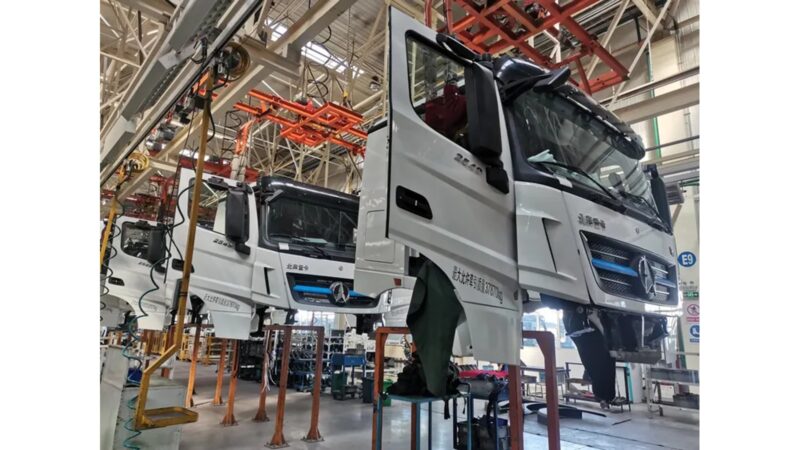
Summary: A Reuters poll of 29 economists forecasts China’s official manufacturing PMI rising from 49.8 to 50.1 in September, just above the line separating contraction from expansion. The official reading is due September 30.
Why It Matters. The expected rebound follows weather-related disruption, but domestic demand, property investment, and household confidence remain weak while advanced manufacturing and exports outperform. That combination can push more Chinese capacity toward global markets, intensifying price competition and trade friction for manufacturers elsewhere.
Useful Action: Build a Competitive Pressure Monitor connecting Chinese output signals, import prices, tariffs, quote floors, supplier alternatives, capacity decisions, and client revenue exposure.