Manufacturing, AI and opportunities for profitable scale.
1. Austin counter-drone maker opens a 191,000-square-foot factory
Summary
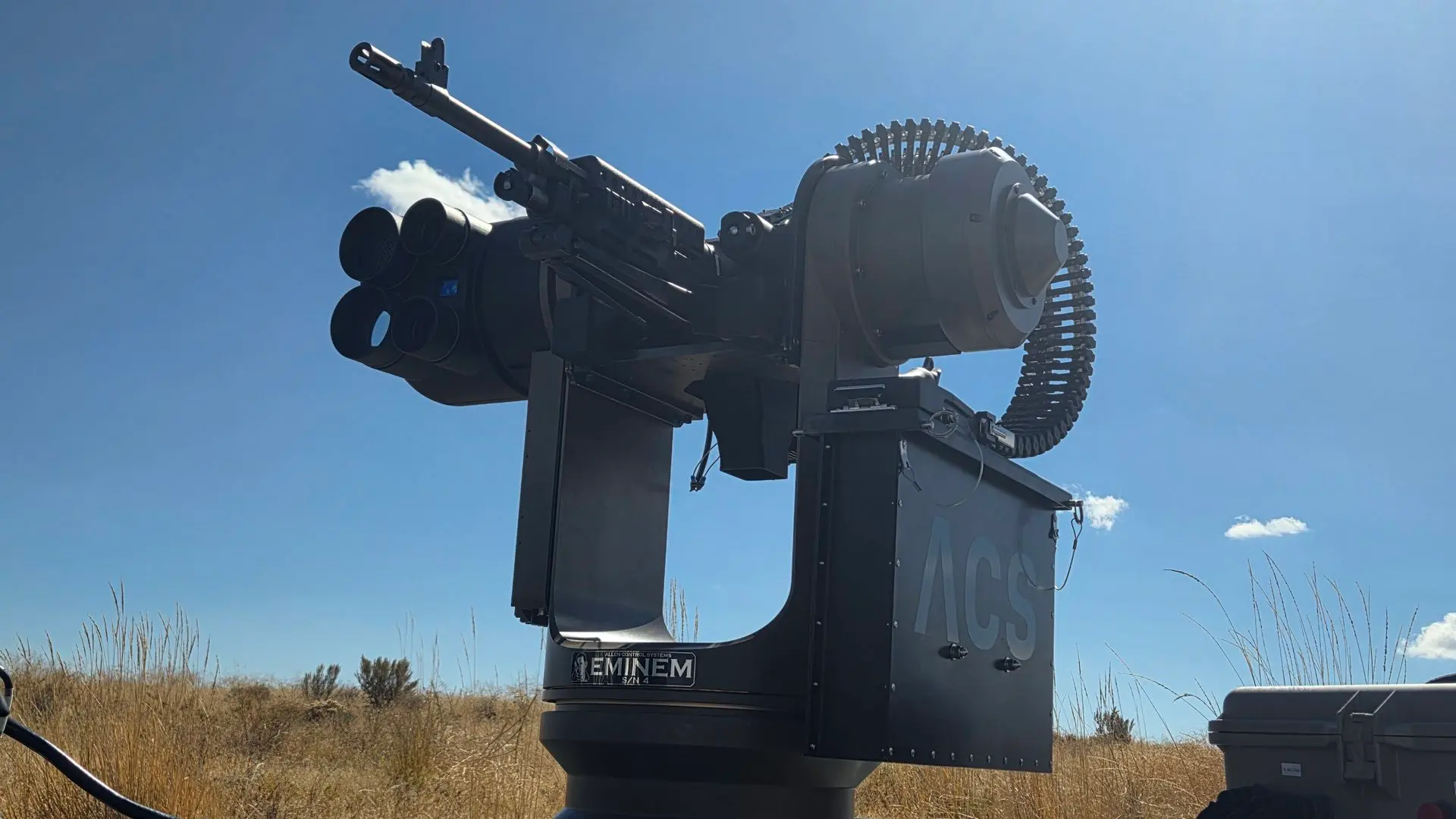
Allen Control Systems is opening a 191,000-square-foot Austin plant to increase production of its Bullfrog counter-drone turrets. The company has raised $200 million, secured U.S. military and international customers, and committed 80 systems this year.
Why It Matters
Cheap, fast-moving drones are changing defense economics and pushing governments toward autonomous countermeasures that conserve expensive interceptors. The expansion strengthens Texas’ defense-technology cluster, but scaling weapon systems brings demanding quality, cybersecurity, export-control and human-oversight obligations.
Useful Action
Build an Austin Defense Scale Readiness campaign for ACS and its U.S. suppliers, covering qualification, traceability, production capacity, shock and environmental testing, delivery and billing.
Direct source: Axios – September 9, 2026
2. Harmoni raises $10 million to bring AI to legacy U.S. factories
Summary
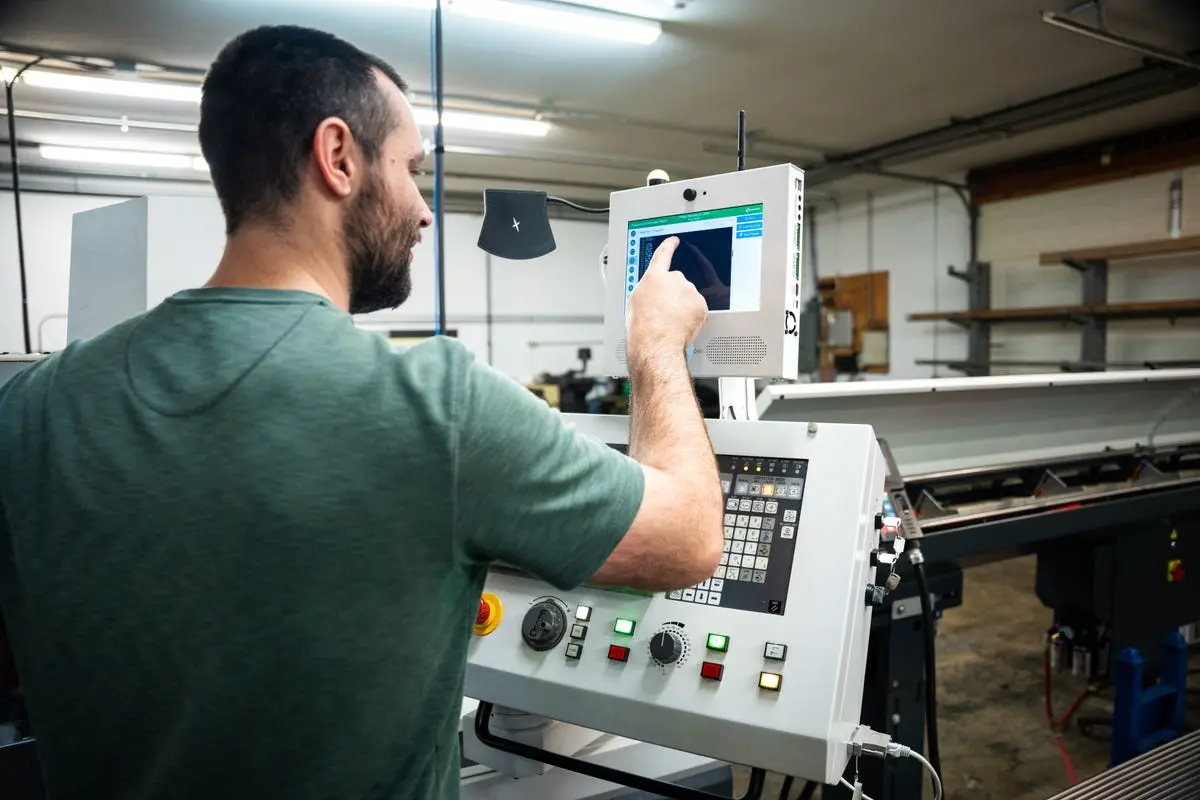
Harmoni raised a $10 million Series A for tablets and AI software that connect machines, workers and job instructions. It targets roughly 280,000 American factories with older equipment and has about 40 customers, led by aerospace and defense manufacturers.
Why It Matters
The largest near-term factory-AI market may be retrofitting existing plants, not building fully autonomous ones. Connecting legacy equipment can raise productivity and ease labor shortages without replacing sound capital assets, although adoption will depend on data quality, worker trust, cybersecurity and measurable operational returns.
Useful Action
Launch a 90-day RentMySoftware.com Legacy Factory Pilot that connects one machine-centered workflow and proves a throughput, downtime or administrative-time improvement before expansion.
Direct source: Business Insider – September 9, 2026
3. Analog Devices pays $1.35 billion to move AI into physical systems

Summary
Analog Devices will acquire Alif Semiconductor for $1.35 billion in cash, plus up to $200 million in contingent payments. The combination joins sensing, signal processing and power management with low-power AI processors for real-time consumer and industrial applications.
Why It Matters
AI inference is moving from distant data centers into machines, instruments and products where latency, privacy and energy use matter. Edge intelligence can improve safety, quality and uptime, but it also shifts cybersecurity, validation and product-liability risk directly into physical operations.
Useful Action
Add an Edge AI Readiness assessment to B.O.S.S. proposals, covering sensor data, response latency, model validation, permissions, fail-safe behavior, maintenance and measurable ROI.
Direct source: Reuters – September 9, 2026
4. Google ties a $15 billion European AI buildout to Finland’s power system
Summary
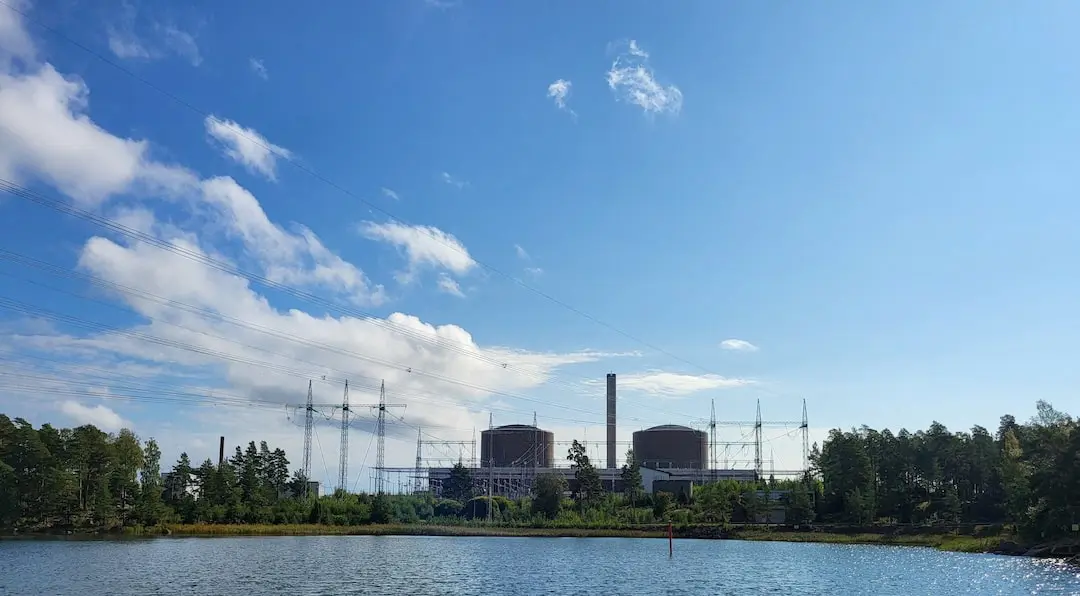
Google will invest at least EUR13 billion, about $15.1 billion, in Finnish data centers, grid upgrades, clean energy and batteries during 2027-2028. The company projects EUR3.6 billion in construction-phase GDP and about 7,000 supported jobs annually once operational.
Why It Matters
AI competitiveness increasingly depends on power, grids, climate, permitting and national industrial policy as much as on chips. Finland’s cold climate and low-carbon electricity make it strategically attractive, while the scale of the buildout raises questions about grid allocation, community benefit and hyperscaler influence over energy infrastructure.
Useful Action
Create a B.O.S.S. Power-to-Compute Capacity demonstration linking power contracts, grid milestones, construction, equipment, commissioning, demand commitments and revenue at risk.
Direct source: Reuters – September 9, 2026
5. Mexico looks to REITs to finance North America’s manufacturing and AI buildout

Summary
Mexico’s BIVA exchange says industrial REITs can fund parks, logistics and infrastructure serving North American supply chains. Mexican computer and electronics exports reached $50 billion in the first quarter, nearly twice the year-earlier level.
Why It Matters
AI and nearshoring create demand far beyond chipmakers, including industrial space, power and logistics. Mexico can deepen its role as a U.S. manufacturing platform, but the USMCA review, legal certainty, security and energy reliability will influence capital costs, supplier decisions and the resilience of integrated North American production.
Useful Action
Offer U.S. manufacturers a North America Supply-Chain Risk Map through B.O.S.S., connecting Mexican suppliers, inventory, energy, logistics, policy triggers, landed cost and customer commitments.