November 17, 2026 — Five independently sourced manufacturing, automation and business developments. The photographs are illustrative or archival; they are not evidence of the specific newly reported events.
1. GM targets 20% more factory automation by 2028
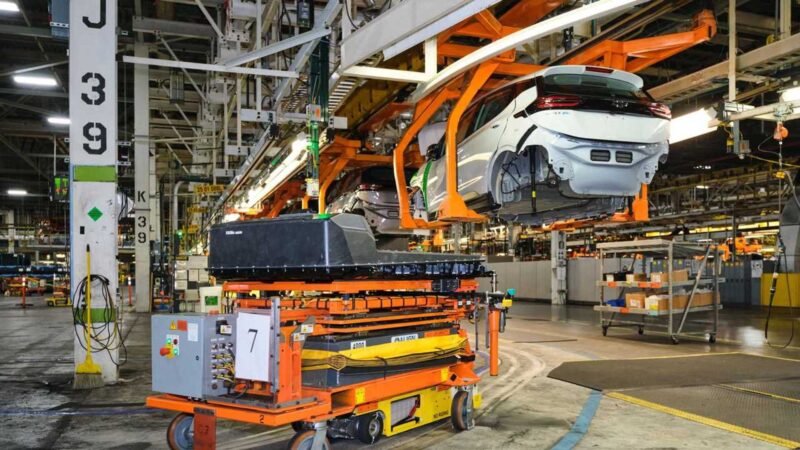
Archival GM assembly image; not a photograph of the newly reported robot program.
Reuters reported November 17 that General Motors aims to increase robotics and other automation across its North American plants by 20% by 2028. GM is developing and assembling autonomous mobile robots in Kokomo, Indiana, while also sourcing equipment externally. The company is asking suppliers to provide automation plans as part of procurement decisions. The target is a plan, not a completed rollout.
Why It Matters.
Higher labor and reshoring costs are pushing automotive manufacturers to treat automation readiness as a supply-chain requirement, not just an internal engineering decision. Workforce and union concerns remain central.
Impact on Manufacturing.
Mobile robots can reduce non-value-added material transport, but value depends on accurate parts replenishment, traffic management, safety and reliable connections between production schedules and shop-floor inventory.
Original news source: Reuters, November 17, 2026
2. Acutronic plans U.S. jet-engine production expansion after $100 million funding round
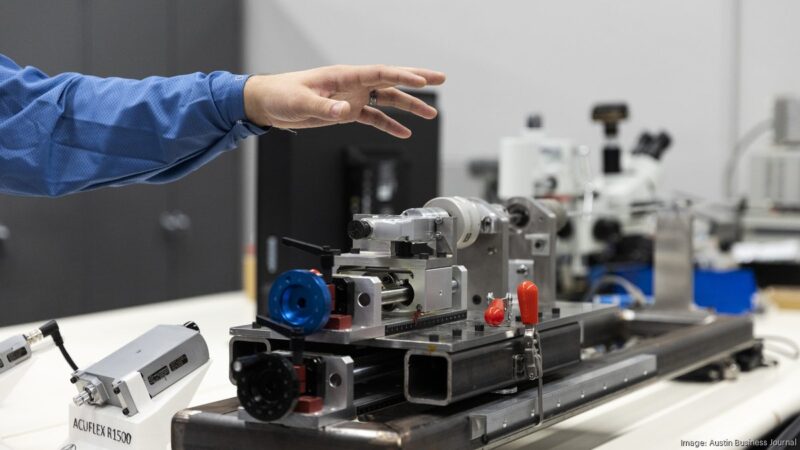
Archival Acutronic precision-equipment photograph, not the newly planned expansion.
The Financial Times reported November 17 that Swiss defense manufacturer Acutronic plans to use a $100 million fundraising round to expand production, develop technology and pursue acquisitions. Its U.S. business manufactures miniature jet engines for drones and missiles. The company aims to raise annual engine output from hundreds to thousands next year and double its U.S. workforce over three years.
Why It Matters.
Demand for rapidly produced, relatively inexpensive unmanned systems is encouraging investment in specialized machining and assembly capacity. These are company targets, not achieved output.
Impact on Manufacturing.
Precision-engine suppliers face qualification, test-capacity, component traceability and skilled-labor constraints when moving from low-volume manufacturing to repeatable production at scale.
Original news source: Financial Times, November 17, 2026
3. Argonaut raises $606 million to invest in industrial businesses
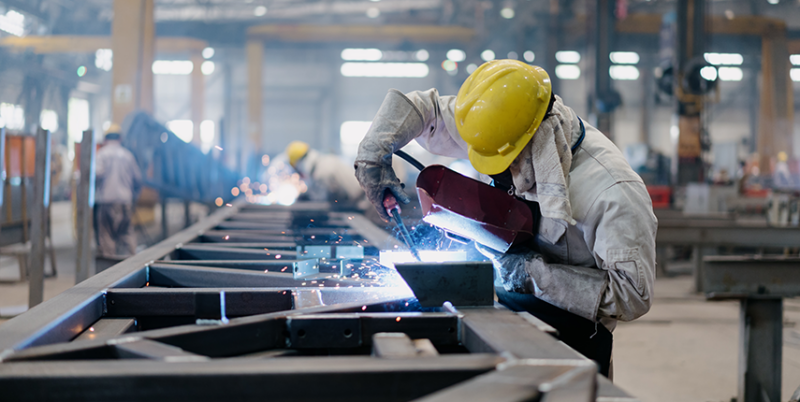
Illustrative industrial welding photograph; not an Argonaut portfolio facility.
The Wall Street Journal reported November 17 that Tulsa-based Argonaut Private Equity closed its sixth fund at $606 million. It targets manufacturing, industrial and infrastructure-service businesses, particularly in less prominent U.S. markets. Argonaut describes an operational-improvement strategy and lower leverage than many conventional buyouts.
Why It Matters.
Industrial companies continue to attract capital from investors who believe better operations, technology and management can create value even when borrowing is expensive.
Impact on Manufacturing.
Acquired manufacturers may face closer scrutiny of actual throughput, working capital, rework, maintenance and order-to-cash cycle times. Measurable improvements matter more than equipment utilization alone.
Original news source: The Wall Street Journal, November 17, 2026
4. Anthropic introduces factory-focused AI tools for engineers and technicians
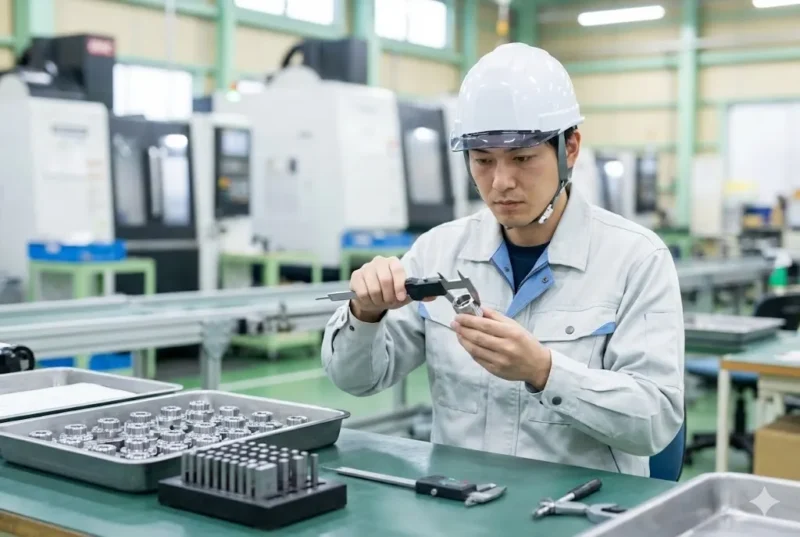
Illustrative factory inspection photograph; not a documented Anthropic customer deployment.
Business Insider reported November 13 that Anthropic launched Claude for Manufacturers, with 17 task-specific skills and connections including Autodesk Fusion and Infor. The company describes support for quoting, equipment troubleshooting, supply sourcing and corrective-action documentation. The product is intended to assist staff, not directly operate machines.
Why It Matters.
AI vendors are moving toward manufacturing-specific workflows where the challenge is connecting technical documents, production records and human decisions. Vendor claims do not establish independently measured productivity gains.
Impact on Manufacturing.
Factories testing AI assistants need controlled access to maintenance and quality data, reviewed recommendations, audit trails and human approval before any proposed corrective action changes production.
Original news source: Business Insider, November 13, 2026
5. Aptiv and TARSBOT expand embodied-AI robot deployment in factories
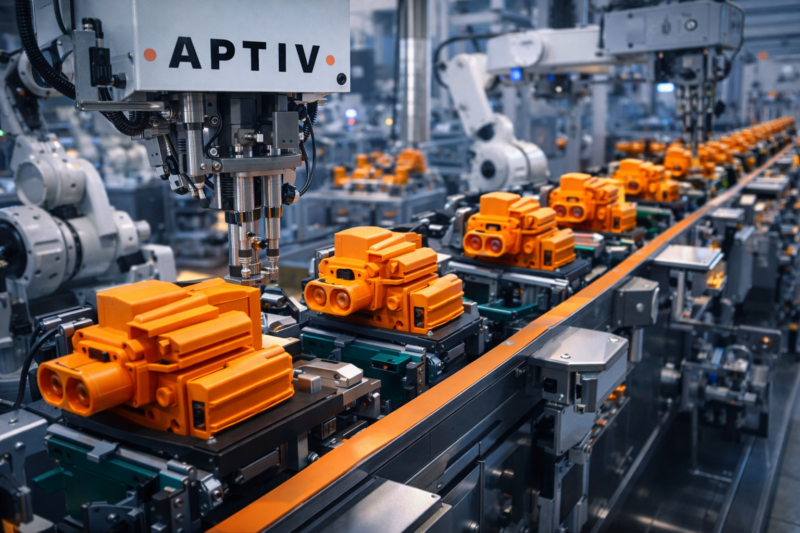
Illustrative electronics-assembly image; not verified as an Aptiv or TARSBOT production photograph.
In a November 16 announcement, TARSBOT and Aptiv said they had deepened their industrial robotics collaboration. The companies expect 100 TARSBOT A-Series robots to be deployed by year-end across eight manufacturing process categories and 33 application scenarios; a first batch is already operating in an Aptiv factory. They also describe a longer-term 1,000-unit target, not an achieved fleet size.
Why It Matters.
The partnership provides a concrete test of embodied AI beyond demonstrations, while planned fleet counts still need to translate into reliable daily production performance.
Impact on Manufacturing.
Robot deployment at scale requires safe task allocation, validated cycle times, exception handling, maintenance support and consistent integration with production and quality systems.
Original news source: TARSBOT / PR Newswire, November 16, 2026