Five current manufacturing, AI and business developments with implications for factory operations. Images are illustrative and are not presented as photographs of the reported events.
1. Stellantis extends Fiat 500 production stoppage in Turin
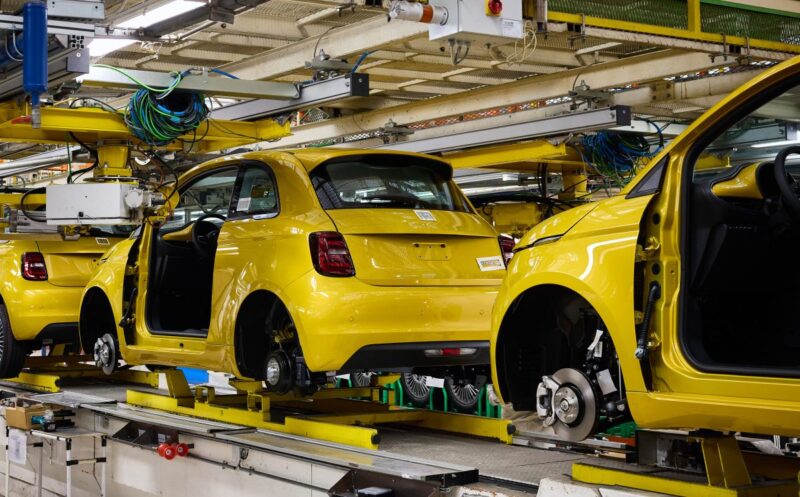
Summary. Stellantis and the FIOM union said the Fiat 500 production stoppage at Turin’s Mirafiori plant will continue through November 9–13, marking a fourth consecutive week without production.
Why It Matters. Another week of idle assembly capacity highlights the challenge of aligning factory schedules and staffing with uncertain vehicle demand.
Impact on Manufacturing. Longer interruptions can disrupt component suppliers, production sequencing, labor planning and cash conversion across an automotive supply chain.
Original source: Reuters, November 5, 2026
2. German factory orders climb 4.4%, but recovery remains fragile

Summary. German industrial orders rose 4.4% in September from August, below the 4.8% expected in a Reuters poll. Automotive orders increased 10.5% and machinery and equipment orders gained 8.3%, while third-quarter orders rose only 0.2% over the preceding quarter.
Why It Matters. The monthly increase suggests pockets of demand strength, but the muted quarterly result points to an uneven industrial recovery.
Impact on Manufacturing. Manufacturers may see more orders in automotive and machinery while still facing uncertain production volumes and the need for flexible capacity planning.
Original source: Reuters, November 5, 2026
3. China blocks SoftBank’s $5.4 billion acquisition of ABB robotics operations
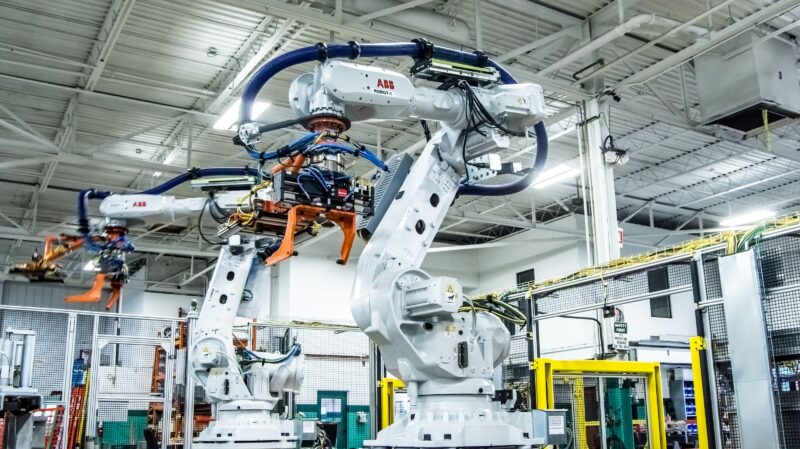
Summary. China’s foreign-investment review blocked SoftBank’s proposed $5.4 billion purchase of ABB’s robotics division in China. The decision followed scrutiny of local manufacturing, intellectual property, supply chains and robotics-related data.
Why It Matters. The decision shows how industrial automation and physical AI have become strategic technology assets subject to heightened government oversight.
Impact on Manufacturing. Industrial robot manufacturers and buyers face additional uncertainty around cross-border ownership, supply continuity and the availability of robotics technology in major markets.
Original source: Financial Times, November 5, 2026
4. AI chip demand drives industrial gas and specialty chemical growth
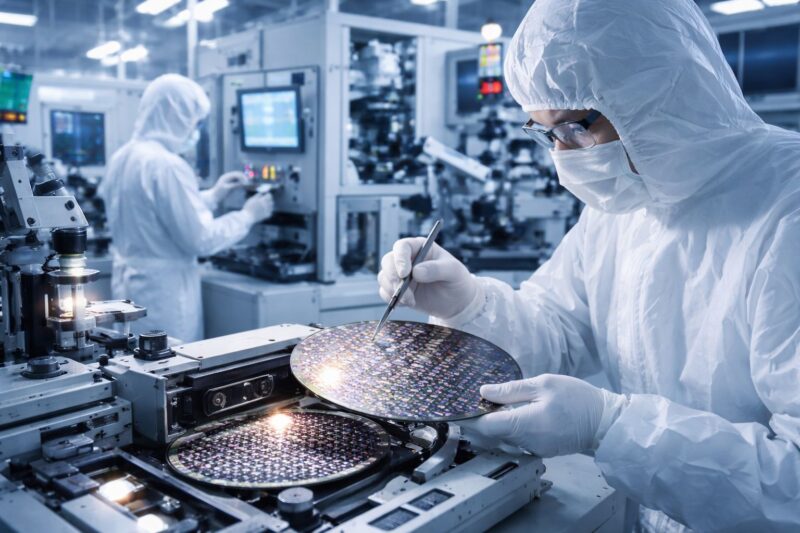
Summary. Semiconductor expansion is lifting demand for ultra-pure gases and chemicals. Reuters reports that Syensqo expects semiconductor-related sales to improve in the second half, while Linde and Air Liquide reported stronger electronics businesses and suppliers are investing in additional chip-material capacity.
Why It Matters. AI infrastructure demand is expanding beyond chip designers and foundries into the specialized industrial materials required to make advanced semiconductors.
Impact on Manufacturing. Chemical and industrial-gas producers are investing in purity-critical capacity, creating new requirements for process control, quality assurance and reliable supply to semiconductor plants.
Original source: Reuters, November 5, 2026
5. European manufacturers warn carbon-market reforms could accelerate factory closures

Summary. More than 100 European companies called for changes to proposed EU carbon-market reforms, warning that higher costs could undermine energy-intensive manufacturing investment and employment before practical decarbonization alternatives are available.
Why It Matters. The debate underscores the tension between emissions-reduction goals and industrial competitiveness as manufacturers manage high energy costs.
Impact on Manufacturing. Steel, chemical and other energy-intensive producers may face higher operating costs and more difficult decisions about plant investment, modernization and production location.
Original source: Reuters, November 5, 2026