Five recent developments affecting industrial capacity, manufacturing supply chains, artificial intelligence and factory operations. November 14, 2026.
1. SMIC warns AI-chip supply constraints could persist through 2027
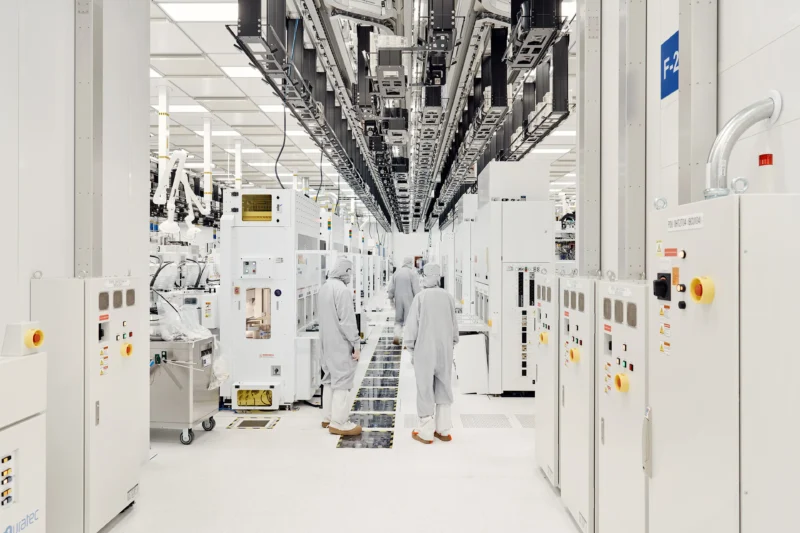
Illustrative editorial photograph; not a documentary image of the reported event.
Summary: China’s largest contract chipmaker said sustained AI demand is likely to keep semiconductor supply chains tight through 2027, even as the industry continues expanding capacity.
Why It Matters.
Long equipment and process qualification cycles mean chip availability cannot respond immediately to rising orders. The outlook suggests prolonged competition for manufacturing capacity.
Impact on Manufacturing.
Industrial electronics buyers may face longer component lead times and should coordinate procurement forecasts, alternate-part qualification, and production scheduling against confirmed deliveries.
Original news source: Reuters, November 13, 2026
2. Samsung reportedly explores acquisition of industrial cooling maker Modine
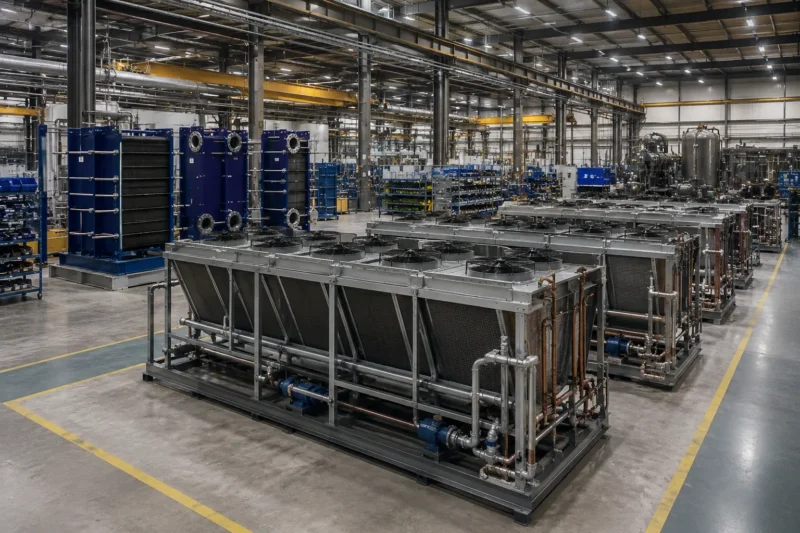
Illustrative editorial photograph; not a documentary image of the reported event.
Summary: Samsung Electronics is reportedly in discussions to acquire U.S. thermal-management manufacturer Modine. The talks remain unconfirmed, and no transaction has been agreed.
Why It Matters.
AI infrastructure growth is increasing the strategic importance of physical cooling equipment, heat exchangers and supporting manufacturing capacity.
Impact on Manufacturing.
Thermal-equipment manufacturers could see stronger demand for production capacity, supplier qualification, quality control and field-service support. Acquisition discussions alone do not establish new orders.
Original news source: Reuters, November 13, 2026
3. Stelco plans to restart Hamilton steel finishing lines and recall 175 workers
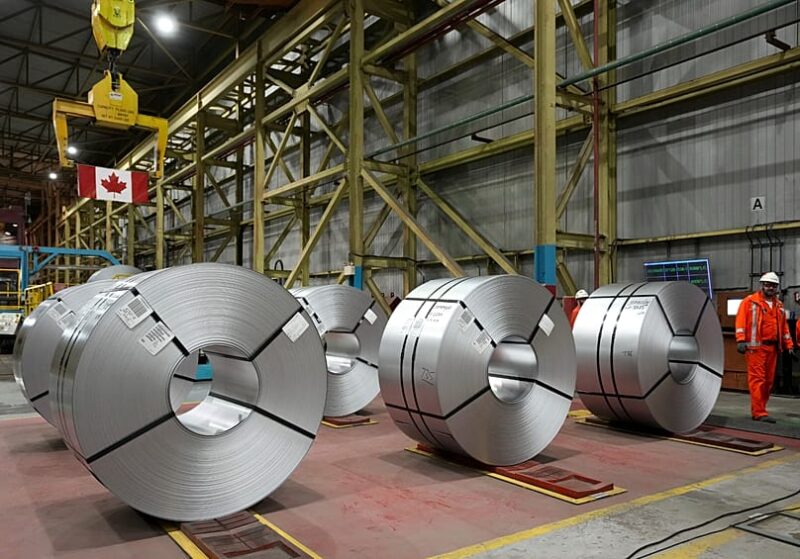
Illustrative editorial photograph; not a documentary image of the reported event.
Summary: Canadian steel producer Stelco said it would recall 175 temporarily laid-off employees starting December 1 and restart finishing operations after securing sufficient customer agreements.
Why It Matters.
A plant restart tied to customer commitments signals improving order visibility amid tariff pressure, although the broader steel recovery remains uneven.
Impact on Manufacturing.
Restarting finishing lines requires coordinated maintenance, staffing, raw-material availability, order sequencing and quality checks before reliable shipment volumes resume.
Original news source: Reuters, November 13, 2026
4. MINI’s Oxford production pause underscores automotive supply-chain fragility
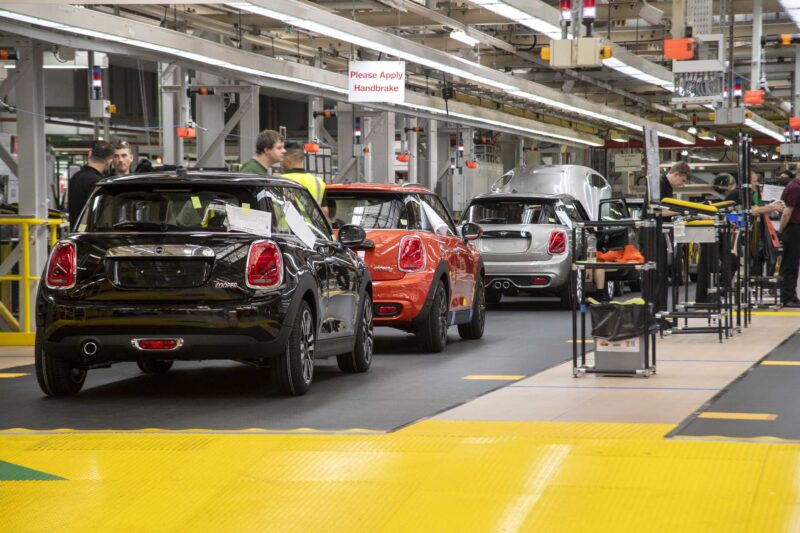
Illustrative editorial photograph; not a documentary image of the reported event.
Summary: BMW halted MINI assembly at Oxford for a planned two-week period beginning November 9 because of temporary supply bottlenecks. Related British operations are also affected.
Why It Matters.
A shortage of even one critical input can idle multiple connected production sites, turning a localized supplier issue into a broader throughput loss.
Impact on Manufacturing.
Automotive plants and suppliers need accurate material visibility, constrained-part tracking and synchronized restart schedules to reduce idle time and avoid uneven work-in-process accumulation.
Original news source: The Scottish Sun, November 14, 2026
5. Canadian factory sales hold flat while inflation-adjusted output falls

Illustrative editorial photograph; not a documentary image of the reported event.
Summary: Canadian manufacturing sales were little changed in September at approximately C$80.25 billion, but fell 1.5% by volume. Sales declined across 11 of 21 industries.
Why It Matters.
Stable nominal revenue can conceal lower physical production when prices rise, complicating assessments of industrial demand and factory performance.
Impact on Manufacturing.
Manufacturers should distinguish price effects from units produced, utilization, backlog, margins and cash conversion when evaluating whether output is actually recovering.
Original news source: The Wall Street Journal, November 14, 2026