November 15, 2026. Five distinct manufacturing and industrial developments, with original reporting and operational context. Images are illustrative editorial photographs, not documentary images of the reported facilities.
1. GlobalFoundries begins construction of new New York semiconductor fab
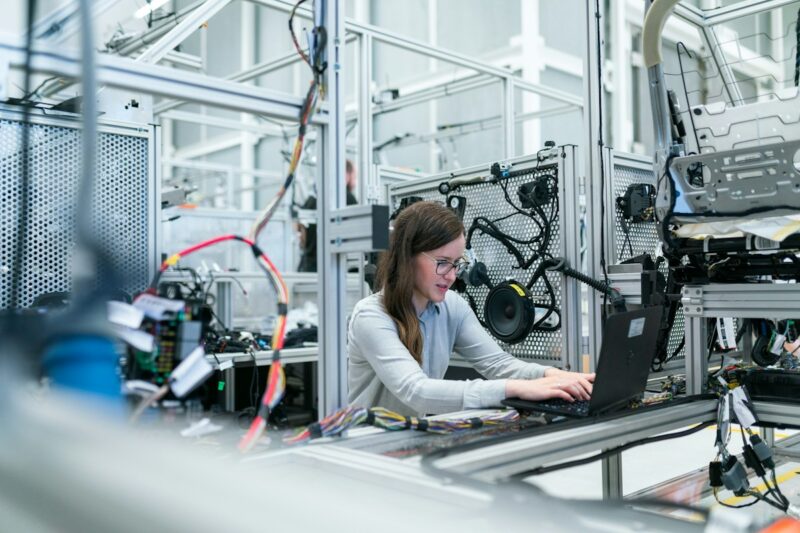
Illustrative editorial photograph; not the specific reported facility or event.
GlobalFoundries broke ground November 13 on a new 300-millimeter wafer fabrication plant in Malta, New York, under a U.S.–Japan investment initiative. The project is intended to expand capacity for automotive, industrial and connected infrastructure chips.
Why It Matters.
The construction milestone is more concrete than a financing announcement, but operational wafer output still depends on construction, equipment installation and qualification.
Impact on Manufacturing.
Industrial chip buyers and equipment suppliers should distinguish construction progress from available qualified chip capacity. Tool delivery, utilities, process yields and customer qualification will govern the ramp.
2. European steelmakers see potential demand from Chinese automakers building in Europe

Illustrative editorial photograph; not the specific reported facility or event.
Voestalpine’s chief executive said expanding European production by Chinese automakers could create new customers for local steel producers. The company is also investing in lower-emissions steel production as the European automotive market faces weak demand and cost pressure.
Why It Matters.
Local vehicle assembly can reshape demand for regional metals and processing suppliers, but new factories do not automatically guarantee local sourcing.
Impact on Manufacturing.
Steel mills and automotive suppliers may need to align grades, certifications, tooling and delivery schedules with new vehicle platforms. Regional content rules and actual sourcing contracts will determine production gains.
3. Shell starts production at Egypt’s Mina West natural-gas field
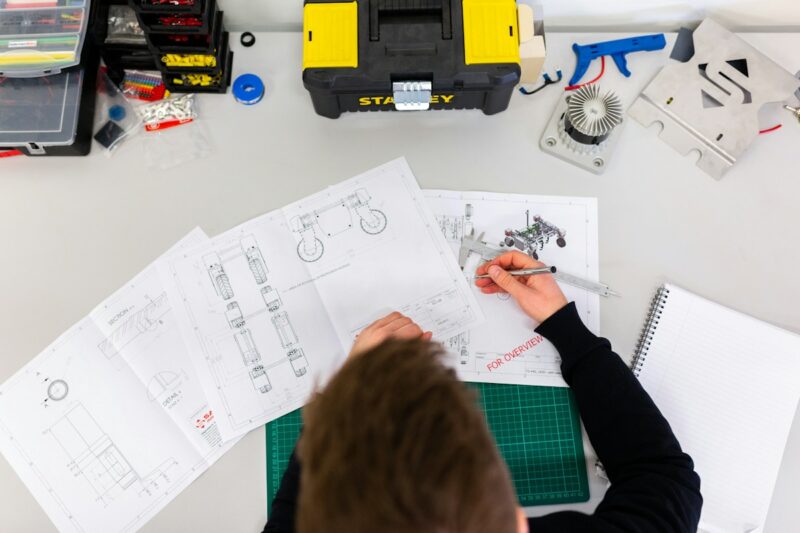
Illustrative editorial photograph; not the specific reported facility or event.
Shell reported November 15 that production has begun at the Mina West gas field in Egypt’s Mediterranean waters. The field is connected to existing West Delta Deep Marine infrastructure and is estimated to have capacity of 160 million cubic feet per day.
Why It Matters.
Using existing infrastructure can shorten the time from field development to usable energy supply, although the stated capacity is not a measure of daily delivered production.
Impact on Manufacturing.
Energy-intensive manufacturers depend on reliable gas and electricity supply. New upstream production may help regional supply availability, but delivered costs, pipeline capacity and plant energy contracts remain separate factors.
4. European truck OEM orders SinterCast technology for new engine production
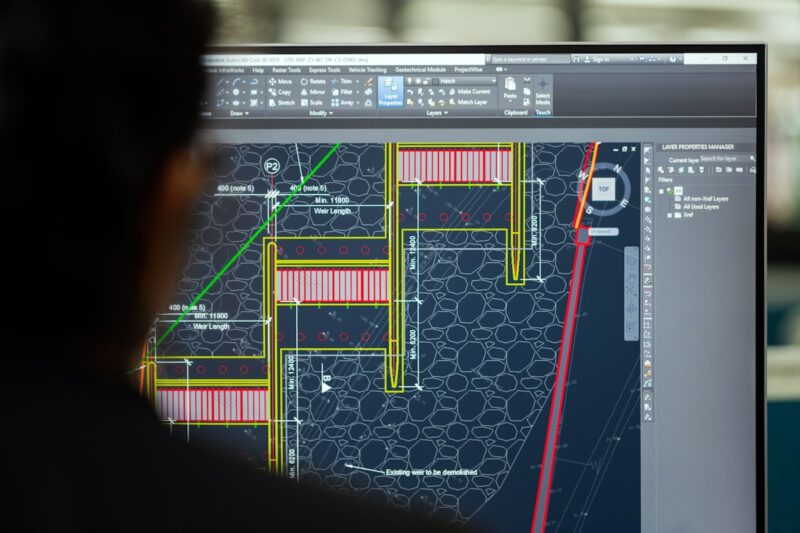
Illustrative editorial photograph; not the specific reported facility or event.
SinterCast announced November 6 that a European commercial-vehicle manufacturer ordered its System 4000 Plus technology for a captive foundry making compacted-graphite-iron cylinder blocks for a new 13-liter engine platform. The company expects installation and series production before year-end.
Why It Matters.
Foundry process-control investment demonstrates that traditional engine manufacturing continues to require advanced quality and repeatability, even as vehicle powertrains diversify.
Impact on Manufacturing.
Consistent metallurgical properties, process measurement and scrap reduction matter for commercial-vehicle engine output. Production readiness depends on commissioning and stable casting quality, not only installation of monitoring equipment.
5. U.S. manufacturing output index reaches highest reading since 2021

Illustrative editorial photograph; not the specific reported facility or event.
The Institute for Supply Management reported that October’s U.S. manufacturing PMI rose to 55.5, with its production index climbing to 59.0, the highest since November 2021. New orders also expanded, while the prices index remained elevated at 75.2.
Why It Matters.
Stronger production and orders signal broader factory activity, but higher input prices and slower supplier deliveries can limit the financial benefit of added output.
Impact on Manufacturing.
Manufacturers should assess units shipped, work-in-process, supplier lead times and contribution margins together. Higher production-index readings do not guarantee better throughput or cash conversion at every plant.